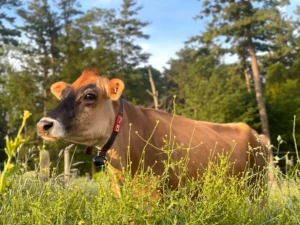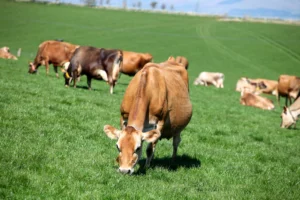
The Jersey cow price can change a lot from one animal to another. A young calf may cost only a small amount. A healthy bred heifer or fresh cow may cost several thousand dollars.
The final price range depends on age, health, pregnancy status, current milk production, genetics, and location. A registered cow with strong milk records normally costs more than an unregistered animal with no clear health history.
Local conditions also matter. Feed prices, milk prices, transport costs, local demand, and the number of available dairy replacement cattle can raise or lower prices.
A low asking price may look like a great deal. Still, a cheap cow can become expensive when she has mastitis, fertility problems, udder problems, or poor feet. A healthy animal with honest records often saves more money over time.
Jersey Cow Price by Age and Size
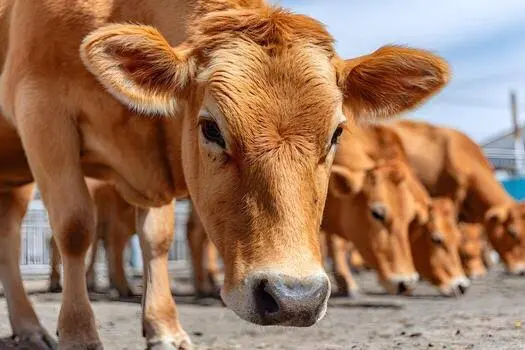
The value of a Jersey changes as she moves through different life stages. A newborn bull calf usually costs less than a female because he cannot produce milk. A newborn heifer calf has more future dairy value.
A weaned heifer calf costs more because the seller has already paid for milk feeding and early care. A growing heifer becomes more valuable as she gets closer to breeding age.
An open breeding-age heifer has reached a useful size but is not pregnant. A bred Jersey heifer costs more because she is closer to first calving and future milk income.
A fresh Jersey cow has recently calved. The buyer can see her real production and udder condition. A proven high-producing cow with strong records may bring the highest price.
| Jersey animal | Common stage | Broad price guide |
| Newborn bull calf | Birth to 2 weeks | $25 to $200 |
| Newborn heifer calf | Birth to 2 weeks | $100 to $500 |
| Weaned heifer calf | 2 to 6 months | $400 to $1,200 |
| Growing heifer | 6 to 15 months | $700 to $1,800 |
| Open breeding-age heifer | 15 to 24 months | $1,200 to $2,500 |
| Bred Jersey heifer | Near first calving | $2,500 to $5,000 or more |
| Fresh Jersey cow | Recently calved | $2,500 to $5,500 or more |
| Proven high-producing cow | Strong production history | $4,000 to $8,000 or more |
| Older cull cow | Low production or health concerns | Often based on slaughter value |
These are planning ranges. Actual market prices may be higher or lower. During a tight supply, strong replacement heifer values can rise quickly.
An older cull cow usually sells for less because her remaining productive life may be short. She may have more hoof trouble, lower production, or a greater pregnancy risk.
Why Young Animals Cost Less
Young animals cost less because they do not provide future milk income right away.
A calf needs milk replacer, starter feed, hay, minerals, vaccinations, housing, and daily labor. The owner may wait nearly two years before the heifer produces her first calf.
This long waiting period explains why a bred heifer costs much more than a newborn calf. The seller has already covered most raising expenses.
Buying young can still work for a small farm. The owner can begin training the animal early and spread the cost over time.
The risk is higher. The calf’s future udder quality, milk level, fertility, and mature temperament are not yet known.
A buyer should compare the lower purchase price with the cost of raising the animal to breeding age.
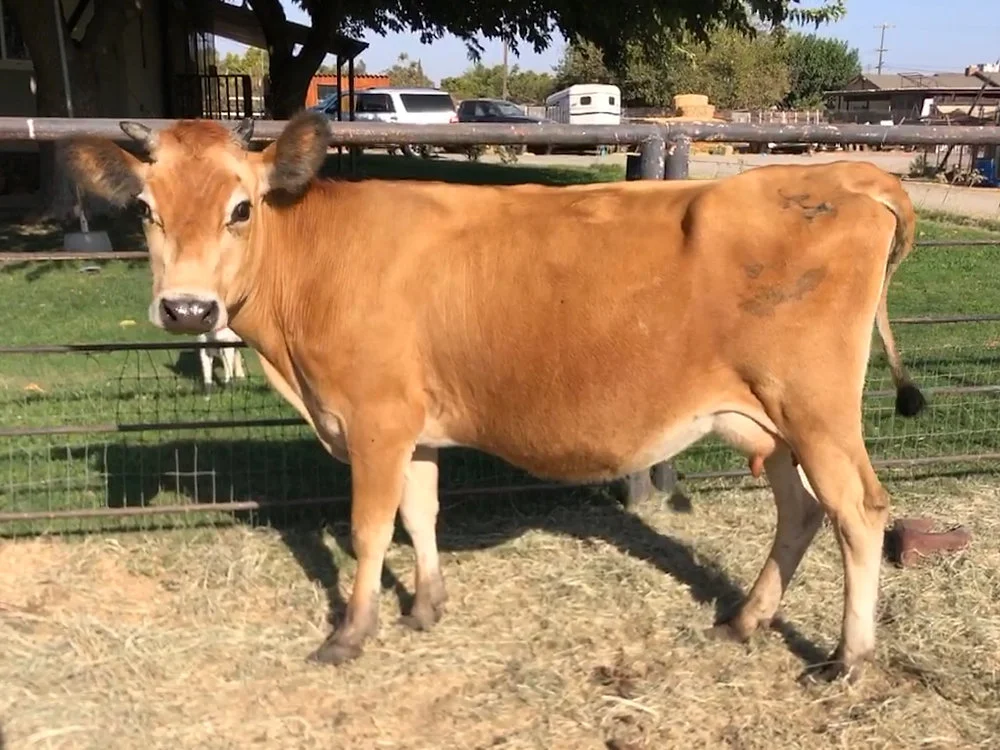
Does Body Size Increase the Price?
A larger Jersey does not always have a higher value.
Jerseys are naturally smaller than Holsteins and many other dairy breeds. Buyers should look for a strong frame, sound feet, good legs, and a healthy body condition.
An overweight cow may face calving problems. A thin cow may have poor nutrition, milk stress, parasites, disease, or dental trouble.
For a dairy buyer, udder quality matters more than extra body weight.
A balanced udder with strong udder attachments and healthy teats can add real value. A big animal with a weak udder may not be a good buy.
Jersey Calf Price and Buying Cost
The Jersey calf price depends heavily on calf sex, health, and records.
A bull calf often costs less than a heifer calf. The heifer may grow into a milk-producing cow. A pure Jersey bull calf has lower value in many dairy systems because he cannot produce milk and may grow more slowly than a specialized beef breed.
Some farmers raise Jersey males as steers for home beef. Others use them in local meat programs.
A female calf with registration papers, known parents, and strong genetic numbers may cost much more than an unregistered calf.
Bull Calf vs Heifer Calf Price
A newborn Jersey bull calf may sell cheaply in large dairy regions.
A healthy Jersey heifer calf often costs more because she has greater future earning ability. She may produce several future calves and many thousands of gallons of milk during her life.
A calf may bring a higher price when she has:
- Registered Jersey parentage
- Strong high milk genetics
- Useful butterfat genetics
- A healthy dam
- Good udder structure in the family
- Proper colostrum intake
- Complete vaccination records
- Clear health records
- A correct birth date
- Proper identification
- No visible defects
A cheap calf may still become a useful family milk cow. The buyer simply accepts more purchase risk.
Hidden Costs of a Cheap Calf
The purchase price is only one part of the buying cost.
A young animal may need several weeks of milk replacer. It also needs calf starter, clean water, hay, bedding, and safe shelter.
Early health problems can raise costs quickly. Scours and pneumonia are common concerns.
The buyer should check:
- The calf’s exact age
- The timing of colostrum
- Current weaning status
- Vaccinations and deworming
- The eyes and nose
- Normal breathing
- The condition of the navel
- Normal manure
- Safe standing and walking
- Good drinking ability
An unweaned calf should normally cost less than a healthy weaned calf. The new owner takes on more buyer risk, feeding work, and possible veterinary treatment.
Bottle feeding may happen twice a day. Buckets and other feeding tools must remain clean.
Pregnant Jersey Cow Price
A pregnant Jersey cow usually costs more than an open cow of the same age and same quality. The buyer receives the cow and an expected calf. Milk production may also begin soon after calving.
The pregnancy stage changes the value. A cow that is one month pregnant usually costs less than a cow calving within weeks. A bred heifer near calving can bring a strong price because she is young. Still, her first-lactation production remains unknown.
A proven cow may cost more when she has a good calving history, useful milk records, and no serious udder problems.
Why Pregnancy Raises the Price
Pregnancy adds value because it reduces the waiting time before milk production.
The additional calf also has value. A heifer calf may become a future replacement. A bull calf may have beef value or breeding value.
The breeding method matters too. Artificial insemination from a registered Jersey bull can increase interest when the seller provides proper breeding records.
Breeding from an unknown bull gives less information about the future calf genetics.
Buyers often pay a market premium for pregnant cows and pregnant heifers because they offer near-term production.
How to Verify a Pregnant Cow
Never pay a pregnancy premium without proof.
Ask for a veterinary pregnancy report. It should include the examination date and estimated calving date.
Confirm the breeding date. Ask whether the cow was bred by artificial insemination or natural service. Request the bull information.
Also check:
- Previous calving problems
- History of retained placenta
- Previous milk fever
- Current body condition
- Udder health
- Teat health
- Foot condition
- Leg condition
- Vaccination status
- Unusual discharge
- Other signs of illness
A cow in late pregnancy may face more transport stress. Avoid long travel during the final days before calving.
Prepare a clean calving area and a quiet calving area before the animal arrives.
Jersey Cow Price Based on Milk Production
Milk production has a strong effect on Jersey cow price. A high-producing cow may create more milk income. Still, milk volume does not tell the complete story.
Jersey milk is known for strong butterfat and protein levels. These milk components add value for butter, cheese, cream, yogurt, and other dairy products. Jerseys produce concentrated milk with useful milk solids. This can improve manufacturing yield.
A cow with moderate milk volume may still have good value if her milk has strong butterfat and protein.
Do Not Trust One Day of Milk
A seller may say the cow produces five gallons or six gallons each day.
That claim needs context.
Milk changes with the lactation stage. A cow reaches peak production several weeks after calving. Production then begins a slow milk decline.
Feed quality, weather, stress, illness, the milking schedule, and water intake can change daily milk.
Ask for monthly records instead of trusting a one-day reading.
Useful information includes:
- Milk weight
- Days since calving
- Butterfat percentage
- Protein percentage
- Somatic cell count
- Mastitis history
- Number of lactations
- Breeding records
- Pregnancy records
A high somatic cell count may suggest infection or poor udder health. This can reduce saleable milk and lower value.
First-Lactation Cow vs Mature Cow
A first-lactation Jersey may produce less milk than she will in later lactations. Her price can still be strong because she is a young cow with several productive years ahead. A mature cow in her third lactation or fourth lactation may produce more milk. She also has a clear performance history.
Check the feet, udder, teeth, and body condition of older cows.
A cow with high milk production but weak fertility may create trouble. She may take many months to achieve breeding success. A balanced cow often gives better long-term value than an extreme producer. She should give useful milk while maintaining health and regular pregnancy.
Jersey Cow Price in Different Countries
The price of Jersey cattle changes widely between countries.
Currency value, feed costs, milk demand, import rules, disease controls, breed availability, and local farm size all affect the market.
| Country | Broad example range | Common type |
| United States | $2,500 to $5,000 or more | Bred heifer or fresh dairy cow |
| Pakistan | PKR 250,000 to 600,000 or more | Jersey or Jersey-cross milking cow |
| India | INR 40,000 to 110,000 or more | Local Jersey or Jersey cross |
| Australia | AUD 1,700 to 3,200 or more | Heifers and dairy cows |
| New Zealand | NZD 1,500 to 3,000 or more | Commercial dairy cattle |
| United Kingdom | £1,000 to £3,000 or more | Dairy heifer or milking cow |
These are broad market guides. Local asking prices may differ.
In Pakistan, some Pakistan advertisements may list Jersey or Jersey-cross cattle around PKR 300,000 to 595,000.
Some Indian supplier listings may range widely. Australian listings and New Zealand listings also change with season and supply.
Elite registered animals can sell for much more than normal commercial cattle.
Why Prices Differ Between Countries
A Jersey may be common in one area and rare in another.
Regions with many dairy farms may offer more animals through a cattle auction. Strong seller competition can keep prices under control.
Areas with few Jersey breeders may have higher prices because of breed rarity. Import costs and transport costs can increase the final amount.
Local milk payment systems also matter. Markets that reward butterfat payments and protein payments may have stronger Jersey demand.
Climate changes value too. A pure imported Jersey may cost more than a locally adapted Jersey cross.
The local animal may handle heat adaptation, humidity, disease pressure, and local feed better.
Pure Jersey vs Jersey Cross Price
A registered pure Jersey normally costs more than an unregistered crossbred cow. The buyer pays for known genetics, parentage, and breed records.
A Jersey cross may cost less and still perform well.
A Holstein cross may produce more milk volume while keeping useful butterfat levels. A cross with a local heat-tolerant breed may handle warm weather better. Breed status should not be the only buying factor. Health, milk records, fertility, udder condition, and local adaptation may matter more than a purebred label.
Factors That Affect Jersey Cow Price
Two cows of the same age can have very different values.
One may have good current milk production, strong protein levels, useful butterfat levels, and a confirmed pregnancy status. Another may have poor udder health, weak fertility history, and no health records.
The main price factors include:
- Age
- Pregnancy status
- Current milk production
- Butterfat levels
- Protein levels
- Udder health
- Fertility history
- Breed registration
- Genetics
- Body condition
- Feet health
- Leg health
- Temperament
- Location
- Transport
- Local cattle supply
- Feed prices
- Milk prices
- Market demand
Health and Udder Condition
A healthy udder adds real value.
Check all four quarters. Look for swelling, heat, pain, hard tissue, or an uneven udder. Milk each teat when possible. Watch for milk clots, watery milk, blood, or a blocked teat. Ask about past mastitis cases and mastitis treatments. Repeated problems can raise medicine costs and lower milk yield.
Good foot health and hoof health are also important. Watch the cow walk on a firm surface. She should take even steps without limping or painful movement.
A cow with sore feet may have lower feed intake and weaker production. Good dairy health and biosecurity help protect herd productivity.
Genetics and Registration
Registration papers can raise value when they connect the cow to valuable bloodlines.
Genetic records may include predicted milk, fat traits, protein traits, fertility traits, productive life, and type traits.
A cow from proven parents may have a better chance of producing valuable daughters. The American Jersey Cattle Association supports breed identification, pedigree, performance, and appraisal records.
These records can support breed improvement and cattle value.
Still, papers cannot replace a health check. A registered animal with poor feet or a damaged udder can still be a bad purchase.
Temperament and Training
A calm cow may have extra value on a family farm.
A difficult cow may kick during milking, refuse to enter the stall, or cause equipment damage.
Ask the seller for a seller demonstration. Watch the cow during udder cleaning and milking.
A trained hand-milked cow may cost more in a local market because she already understands the milking routine.
Good temperament matters when children or new cattle owners will work near the animal.
Poor behavior can lead to handler injury and make safe handling difficult.
Extra Costs of Buying and Raising a Jersey Cow
The purchase price may be only part of the total first-year cost.
A new owner may need land, fencing, shelter, water, feed, minerals, milking supplies, and veterinary care.
Feed is one of the biggest ongoing expenses. Good pasture can reduce purchased feed but seasonal grass changes during the year.
Other costs may include transport, a veterinary examination, a pregnancy test, disease testing, breeding, hoof care, bedding, and emergency treatment.
Common First-Year Expenses
| Expense | Possible cost level |
| Transport | Low to high depending on distance |
| Veterinary examination | Moderate cost |
| Pregnancy test | Low to moderate |
| Disease testing | Moderate |
| Fencing | Moderate to high cost |
| Shelter | Moderate to high |
| Hay and grain | Major recurring cost |
| Minerals and salt | Regular small cost |
| Milking equipment | Low to high |
| Breeding | Regular cost |
| Emergency treatment | Unpredictable cost |
| Hoof care | Occasional expense |
| Bedding | Regular seasonal cost |
A farm with existing farm equipment may spend less than a first-time owner building everything from zero.
Feed and Water
A lactating Jersey needs high-quality forage and enough energy to support milk production.
Good pasture may provide most of the diet during the growing season. Hay becomes important during limited grass periods.
High-producing cows may need grain or a balanced concentrate.
The ration should match the cow’s milk level and body condition.
Buying cheap feed may not save money. Poor nutrition can reduce milk and fertility.
Clean water is essential. A lactating animal has much higher water intake than a dry animal.
Keep the water trough clean and easy to reach.
Housing and Fencing
Jerseys need protection from extreme weather.
A three-sided shelter may work in a mild climate. Hot areas need shade and airflow. Cold areas need a dry resting space.
Constant mud can damage foot health and increase mastitis risk. Use strong fencing made for cattle. Light garden fencing is not safe. New housing costs may include a new barn, feeding area, or milking space. Good facility design improves cow comfort, feed access, and production.
Milking Equipment
Hand milking needs a clean bucket, udder-washing supplies, milk filters, and safe milk storage.
A small milking machine may reduce labor. It also raises the equipment cost. Every machine needs proper cleaning after every milking. Milk needs rapid cooling to protect milk quality. People using raw milk should understand local laws and food-safety risks.
Milk sales may require extra permits, testing, and dairy equipment.
Breeding and Calving Costs
A cow must become pregnant again to continue the milk cycle.
Artificial insemination requires heat detection, semen, and a technician fee.
Natural breeding requires bull access. Keeping a bull creates extra bull feeding, bull fencing, and bull safety costs.
Pregnancy checks also add expense.
Keep an emergency fund for calving costs. A difficult birth or milk fever may require fast veterinary help.
Veterinary and Biosecurity Costs
New cattle can bring herd disease into a healthy farm.
Possible concerns include Johne’s disease, bovine viral diarrhea, tuberculosis, brucellosis, mastitis bacteria, and internal parasites.
The correct testing program depends on local law and veterinary advice.
Use a period of quarantine for new cattle. Keep separate tools and continue health monitoring.
A pre-purchase exam and other veterinary costs may look expensive. They can prevent a much larger loss.
How to Decide Whether the Price Is Fair
Compare the cow with similar cattle in the local market.
Do not compare a registered pregnant cow with an unregistered open cow. Their value is different. Calculate the total delivered price. Include transport, testing, veterinary work, feed, and immediate equipment needs.
Then consider the cow’s possible cow income and useful life. A family looking for a family milk cow may value temperament and easy hand milking. A commercial farm may care more about milk solids, fertility, and herd compatibility.
Before paying, request:
- Identification papers
- Registration papers
- Date of birth
- Calving history
- Breeding records
- Pregnancy records
- Milk production records
- Butterfat results
- Protein results
- Somatic cell count
- Mastitis treatment records
- Vaccination records
- Disease-test records
- Hoof care information
Ask clear seller questions. Walk away when the seller refuses a proper health examination. A low price cannot fix serious health problems, a damaged udder, or poor fertility.
Final Thought
The real Jersey cow price depends on more than age and size.
A young calf may cost very little. A healthy bred heifer or fresh cow may cost several thousand dollars. A confirmed pregnancy status adds pregnancy value because the cow carries an expected calf and may produce milk soon.
Strong milk records, butterfat, protein, udder health, and temperament can increase the value. Prices differ between the United States, Pakistan, India, Australia, and New Zealand. Local demand and feed costs can change them quickly.
Do not spend the complete budget on the cow. Save money for transport, fencing, shelter, milking supplies, testing, and veterinary care. The cheapest Jersey may not offer the best future value.
Choose a healthy cow with honest records. Check her feet, udder, body condition, milk history, and fertility. A fair price should match the cow’s health and production. It should also match the real ownership cost of keeping her.